


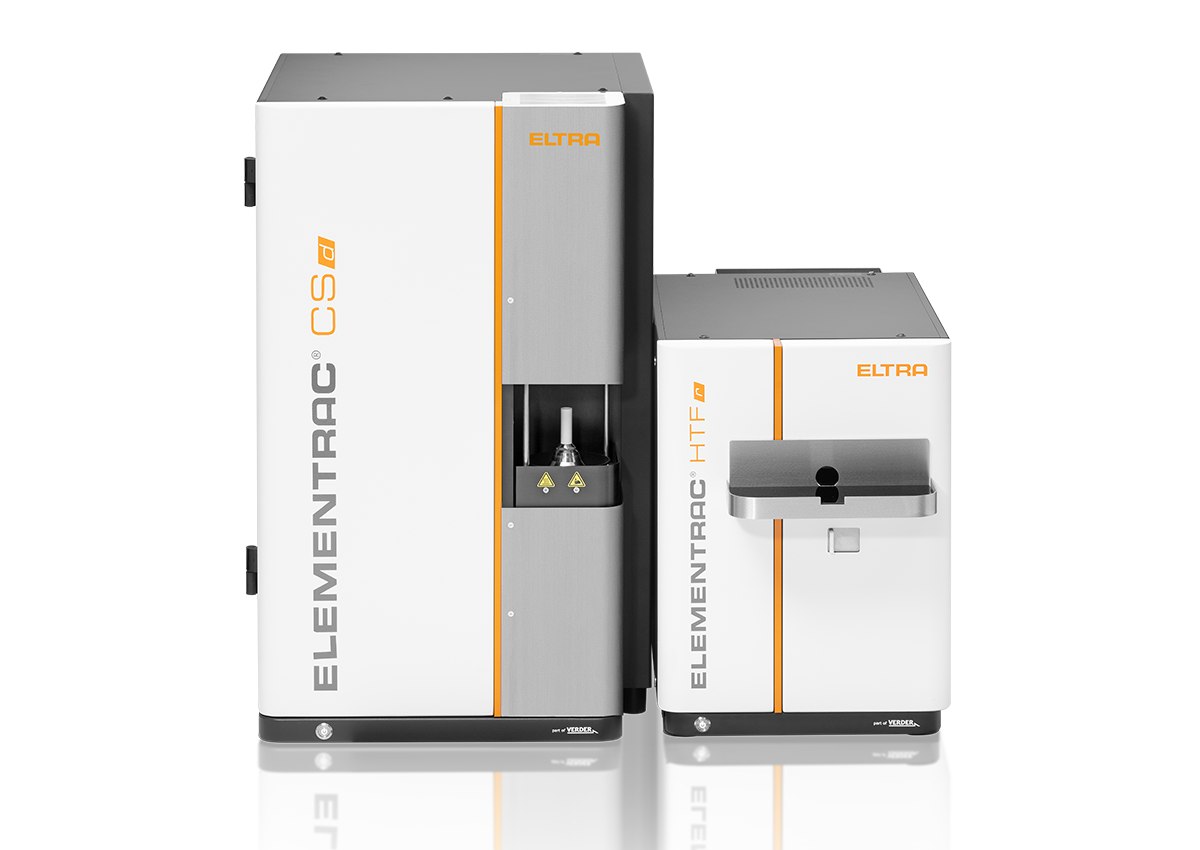
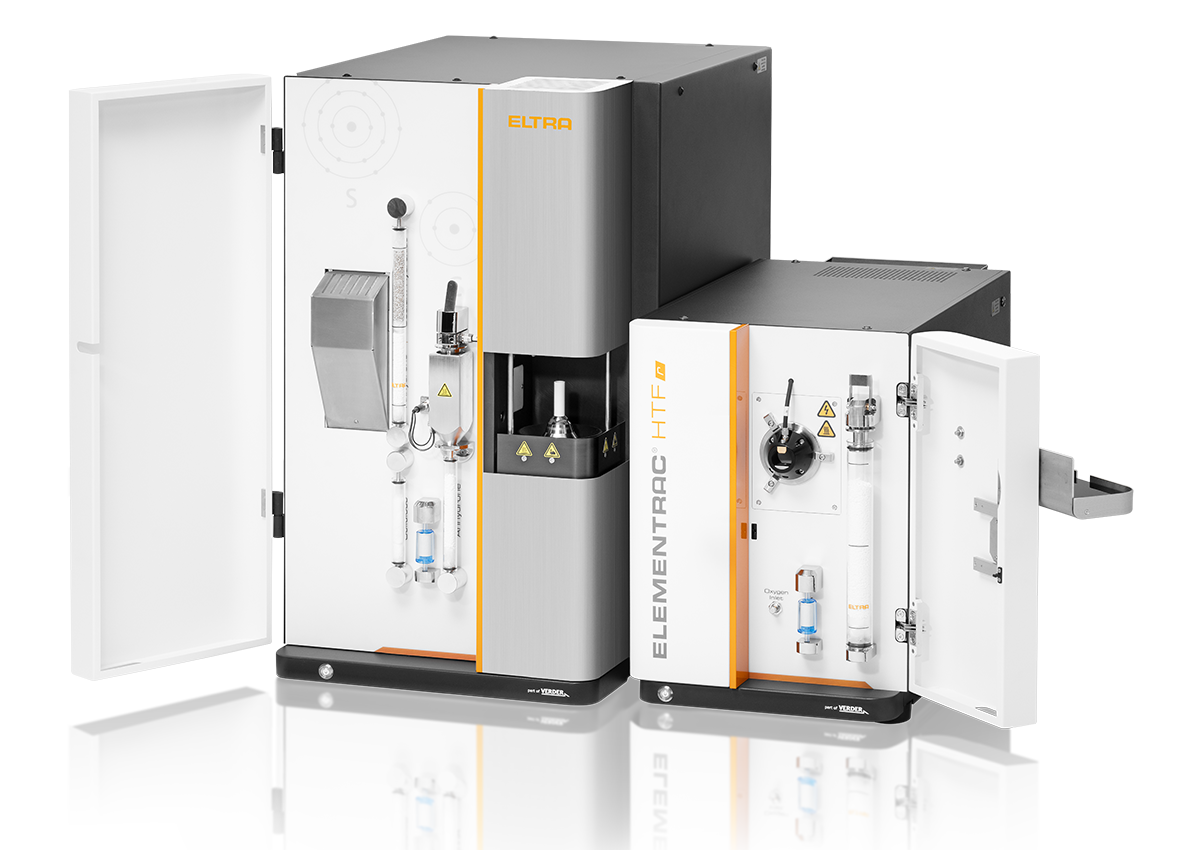
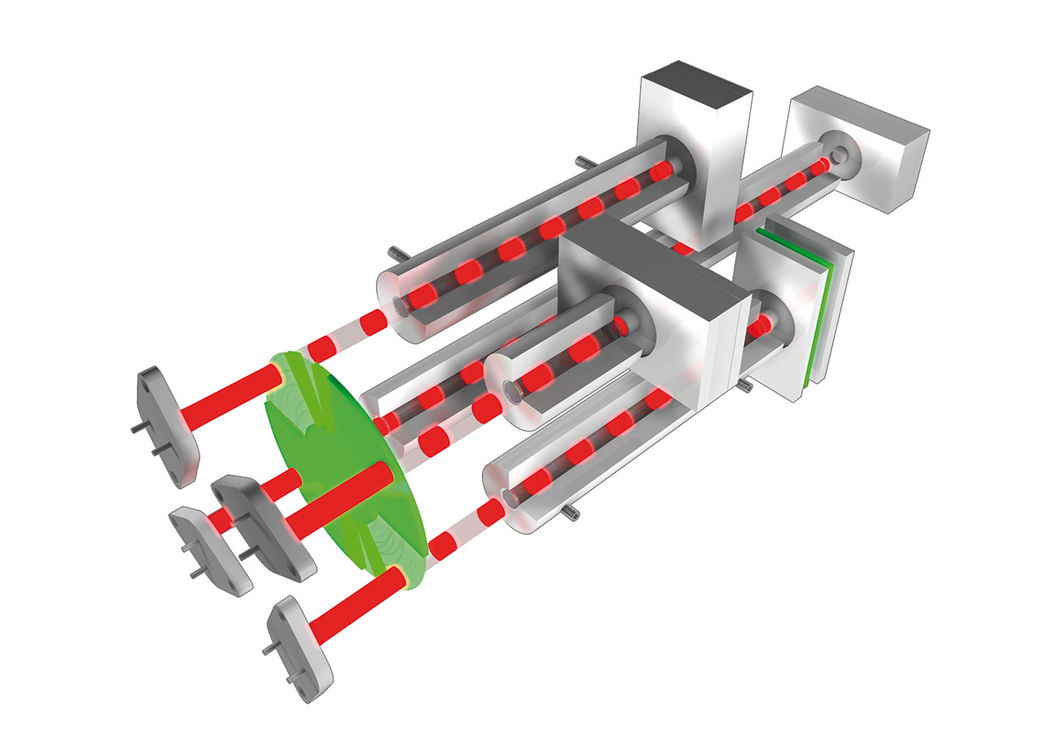
Up to four highly sensitive infrared (IR) cells allow for precise measurement of both high and low carbon and sulfur concentrations in only one analysis. The measuring range of each cell may be adapted to the user's specific requirements to ensure optimum measurement conditions for each application.
The ELEMENTRAC CS-d is supplied with the comprehensive and user-friendly ELEMENTS software.

Видео о приборе
Full Flexibility With Two Furnaces
- Full flexibility due to combined induction and resistance furnace: ELTRA Dual Furnace (EDF) Technology
- Rapid and accurate carbon & sulfur analysis in inorganic and organic samples
- Up to four independent infrared cells with flexible measuring ranges
- Gold IR path allows for increased cell lifetime for analysis of halogen- or acid-containing samples
- Simultaneous carbon and sulfur determination with minimum sample preparation
- Robust design allows usage in production control and laboratory
Анализатор углерода / серы ELEMENTRAC CS-d Operation and Analysis Process
Operation of the ELEMENTRAC CS-d is easy and convenient and only requires a few steps. The typical sample weight for carbon / sulfur analysis is about 50 to 1000 mg. This is sufficient to reliably detect concentrations from 1 ppm to 100%. Before the combustion process it is necessary to extract a sample from the initial amount which strongly varies, depending on the matrix. International standards like DIN EN ISO 14284 (Sampling of steel and iron) give some orientation.
Induction Furnace
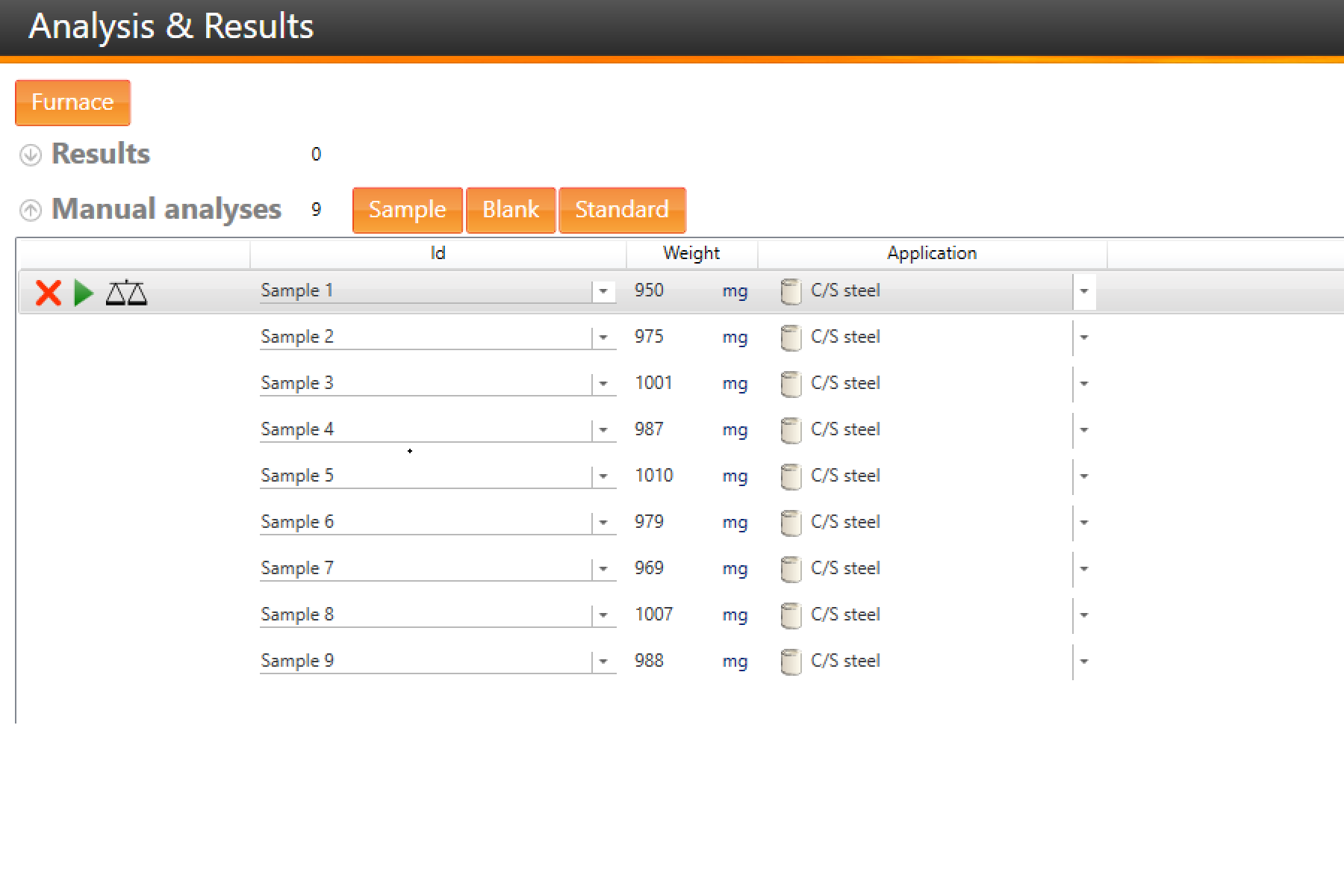
Step 1: Logging the sample into the ELEMENTS software
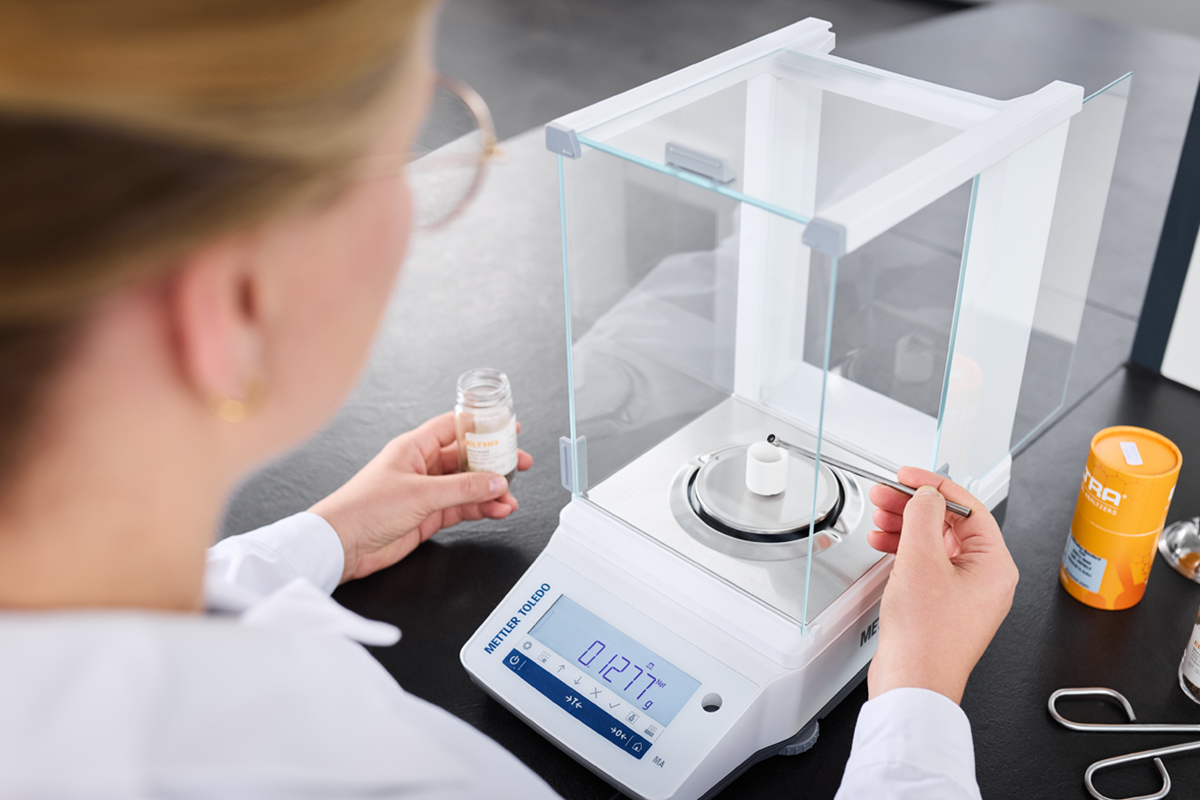
Step 2: Weighing and adding of accelerators
Sample volumes of 50 mg to 1000 mg are typical for C/S analysis. The sample is weighed in a ceramic crucible and accelerators like tungsten are added. The geometry of the sample (e. g. wire, powder, pin etc.) is not essential for a reliable analysis.
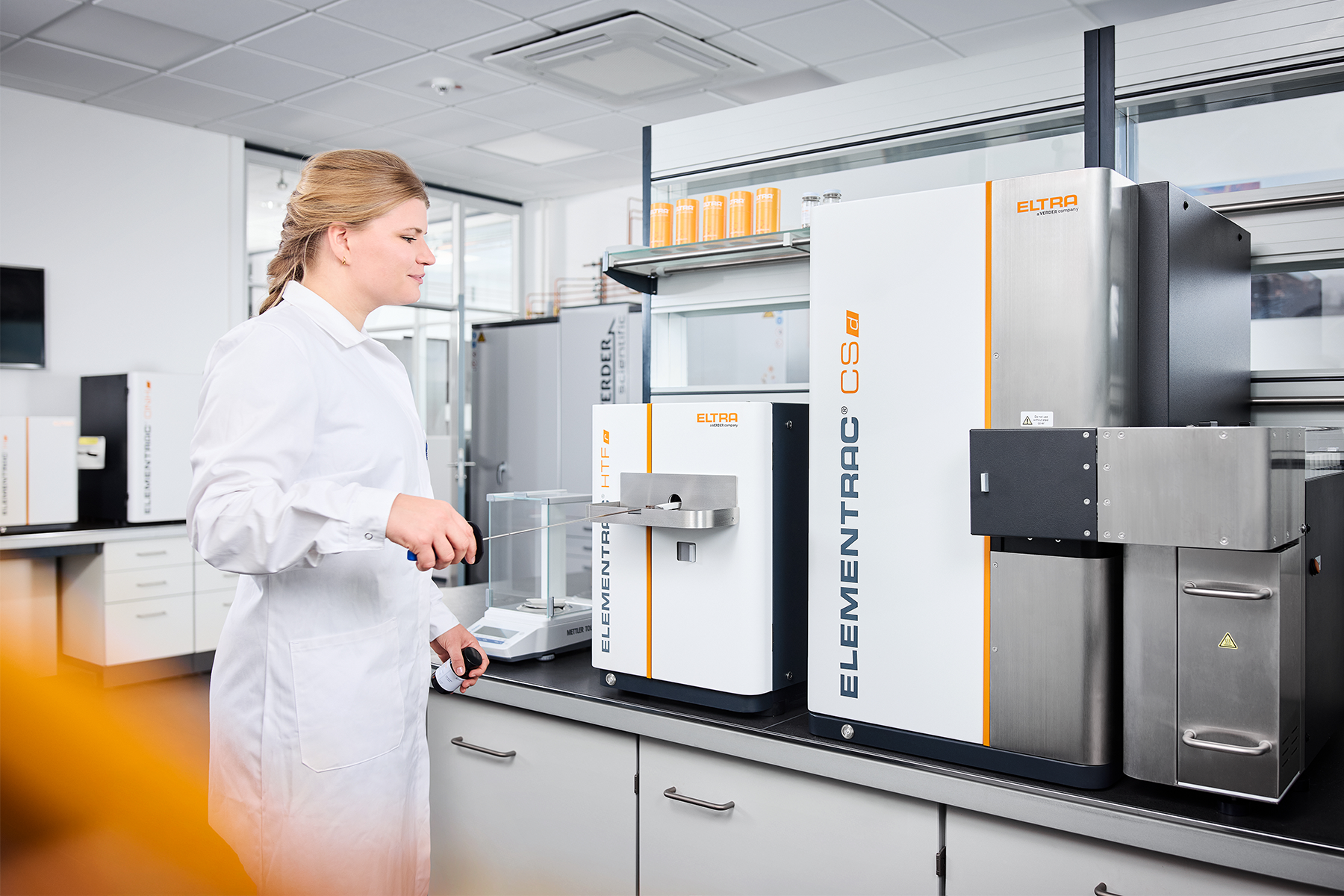
Step 3: Analysis
The ceramic crucible is then placed on the pedestal of the CS-d and the analysis is started via the ELEMENTS software. The software controls all subsequent steps like combustion and evaluation.
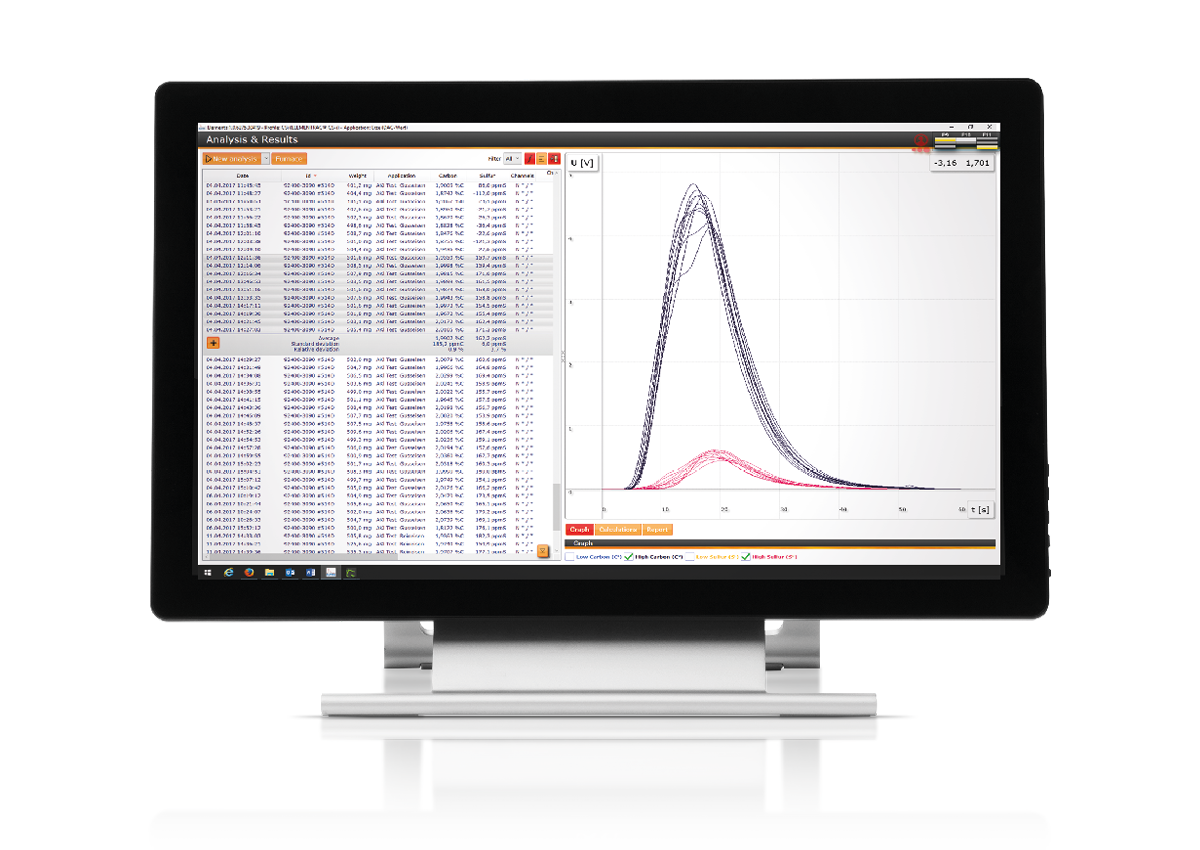
Step 4: Data output and export
45-60 seconds after the analysis has started, the measured carbon and sulfur concentrations are available for export as a report or via LIMS.
Resistance furnace
Step 1: Logging the sample into the ELEMENTS software
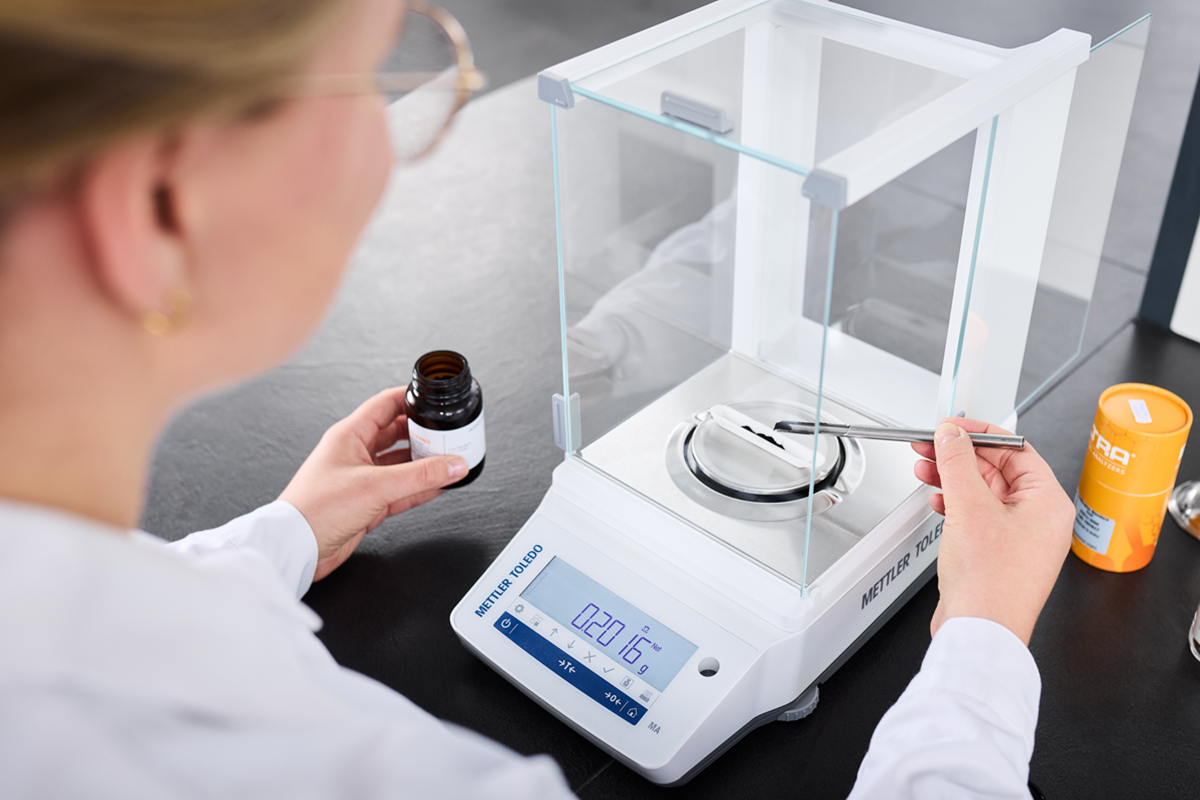
Step 2: Weighing of the sample
Volumes of 50 mg to 500 mg are typical for C/S analysis in a resistance furnace. The sample is directly applied to a boat. Accelerators are usually not required.
Step 3: Analysis
The sample is placed in front of the furnace and the measurement is started in the software. A green LED signals when the sample can be introduced. During combustion the ELEMENTS software continuously records measurement values.
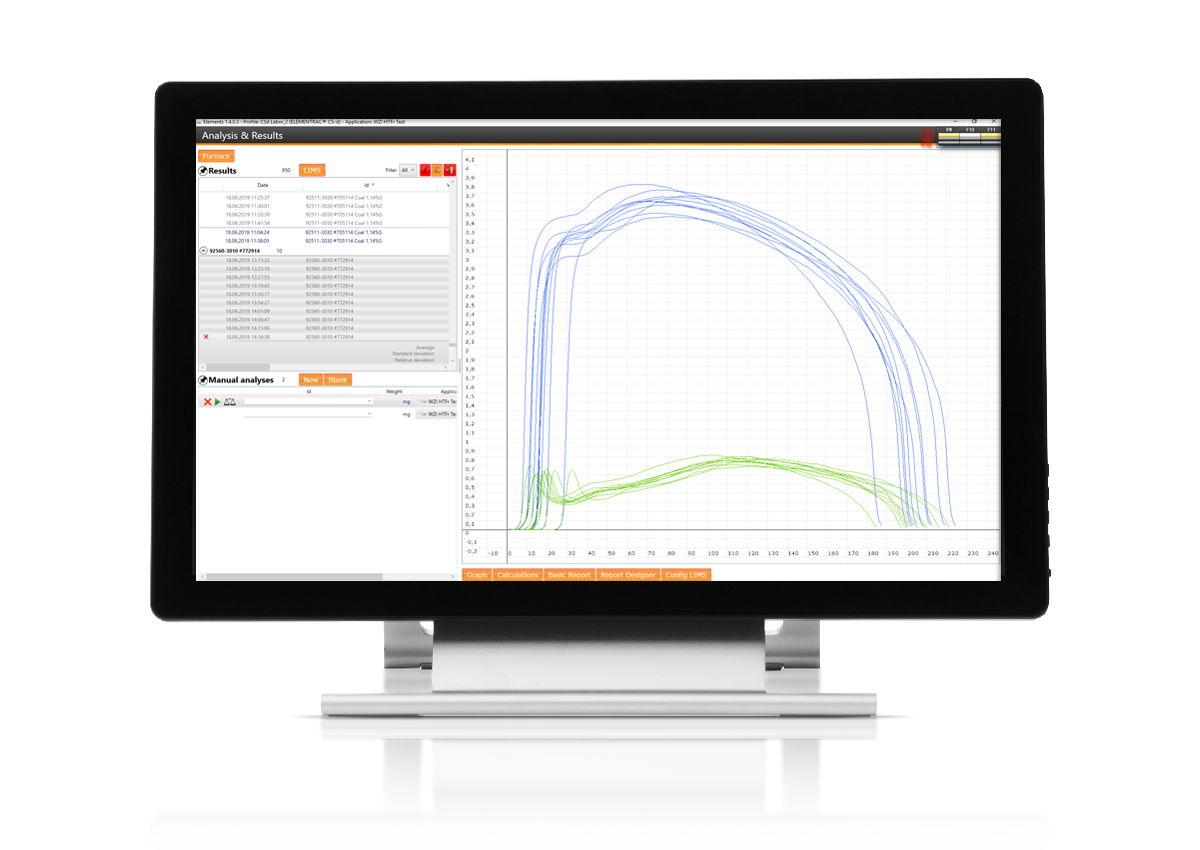
Step 4: Data output and export
60 to 240 seconds after the analysis has started, the measured carbon and sulfur concentrations are available for export as a report or via LIMS.
Анализатор углерода / серы ELEMENTRAC CS-d Configurations
The ELEMENTRAC CS-d is available as a single-element analyzer for carbon or sulfur only, or in a configuration for simultaneous measurement of both carbon and sulfur. It uses up to four IR cells for this purpose which can be adapted to individual requirements. As the length of the cuvette increases, so does the sensitivity for low concentrations (e. g. 10 ppm). Shorter cells can still measure samples with low levels in the ppm range, but the standard deviation of the measured values increases significantly. For optimum measurement of low and high concentrations, it is therefore recommended to use two IR cells per element. The latest detector technology enables a wide measuring range for carbon and sulfur from the ppm range up to 100 % in both induction and resistance furnace. In addition, gold cuvettes installed as standard offer greater reliability for elemental analysis of samples containing halogens.
A special option for the ELEMENTRAC CS-d is a halogen trap to reliably bind even very high halogen concentrations. The carbon / sulfur analyzer can also be delivered in a special configuration for the analysis of cement.
Infrared cells with flexible measuring range
Анализатор углерода / серы ELEMENTRAC CS-d Integrated Standard Solutions
The ELEMENTRAC CS-d offers intelligent solutions as standard features to provide accurate and reliable measurement of the carbon and sulfur concentrations also in complex sample:
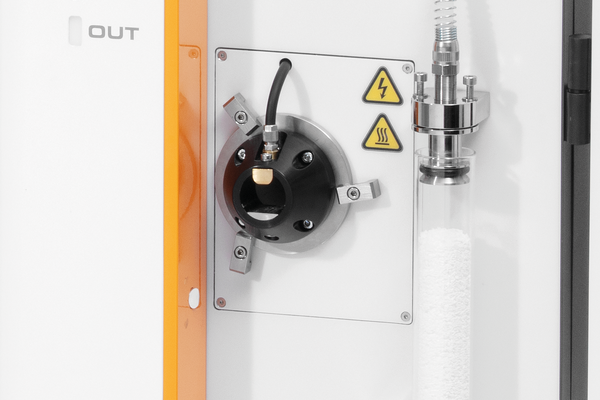
Sample port in the resistance furnace (blank value reduction)
The ELEMENTRAC CS-d provides accurate and reliable analysis of samples with a low carbon content in the resistance furnace. Thanks to the optimized sample port geometry with reduced diameter and oxygen flushing at the sample entrance, the CO2 blank value of the atmosphere is drastically reduced when the sample is introduced which allows for reliable results in the low measuring range.
Heated Dust Trap
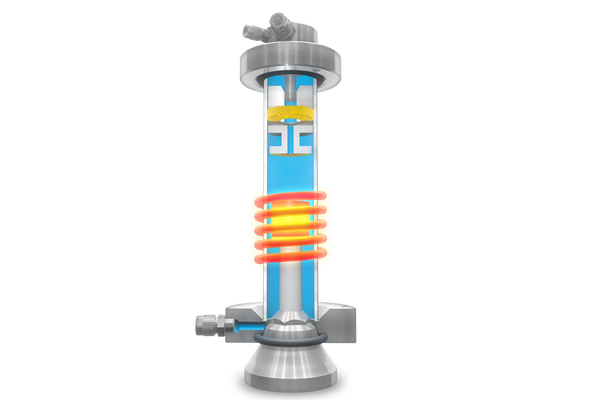
- The dust generated by inductive combustion is collected in an external dust filter
- Efficient heating of the dust trap prevents condensation of water vapor
- Significant improvement of recovery rates and reproducibility of sulfur measurements
Анализатор углерода / серы ELEMENTRAC CS-d Options
In addition to the integrated features of the ELEMENTRAC CS-d, further options are available to increase the efficiency of the carbon / sulfur measurement.
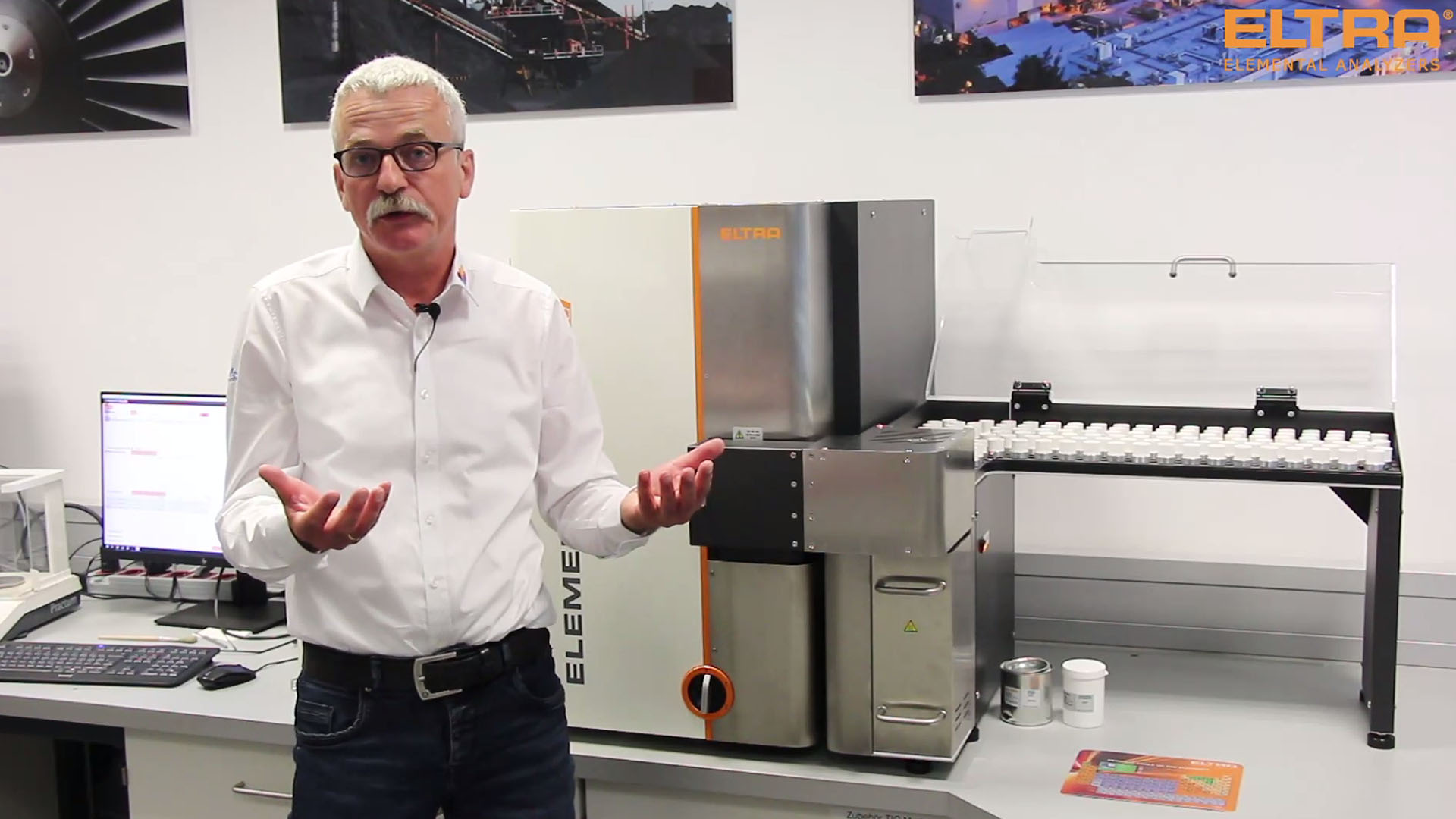
Autoloader
The induction furnace of the ELEMENTRAC CS-d can be equipped with an optional automatic sample loader. The standard module offers 36 crucible positions, the XL model even features 130 positions. It is the largest Autoloader available in the market for this type of application.

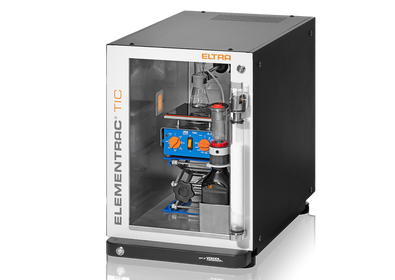
TIC Module
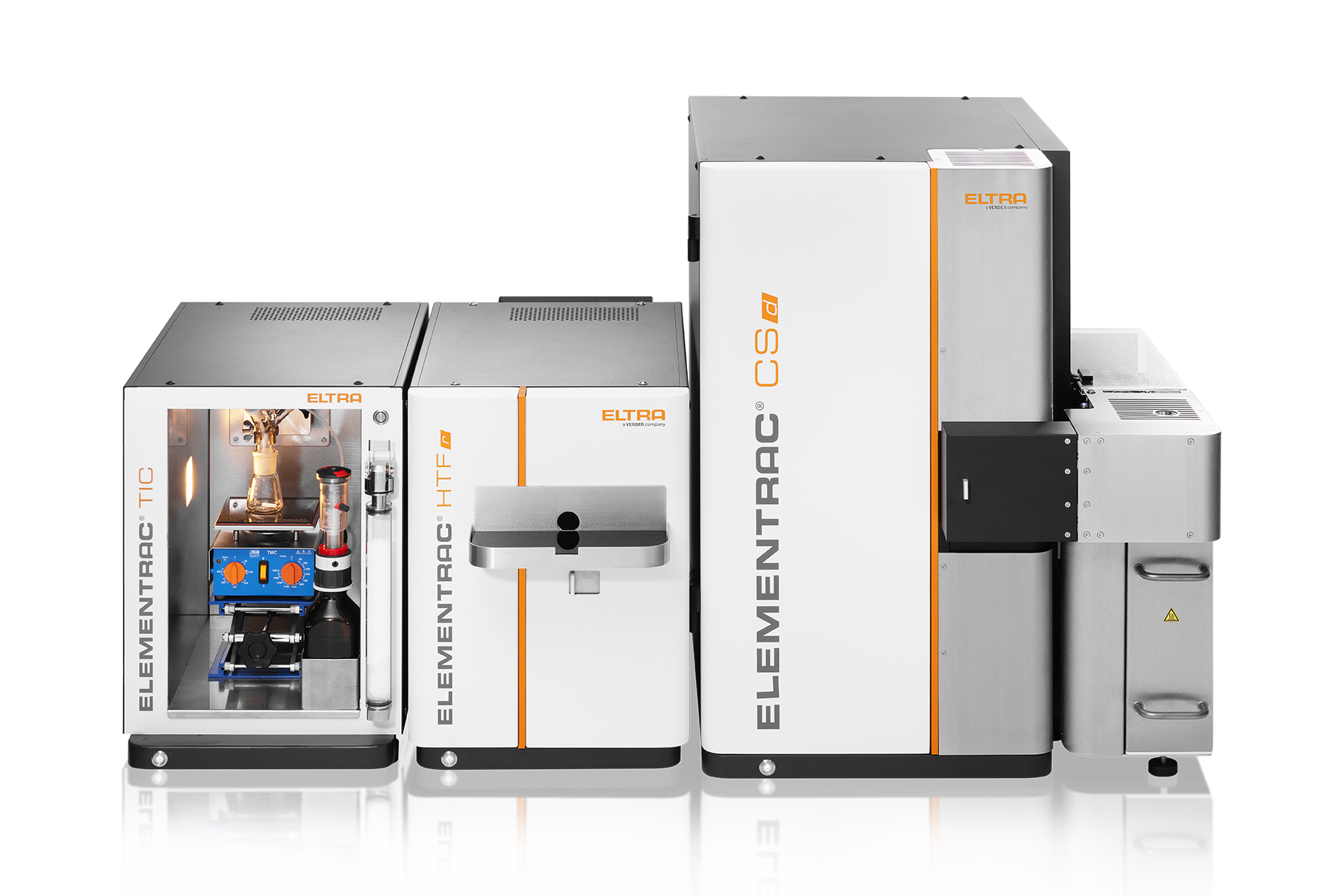
Carbon can be determined as total carbon (TC) or in fractions, i. e. total organic carbon (TOC) or total inorganic carbon (TIC). When combined with the CS-d, ELTRA’s TIC module measures the TIC content (e. g. lime) by acidification in products like soil or construction materials.
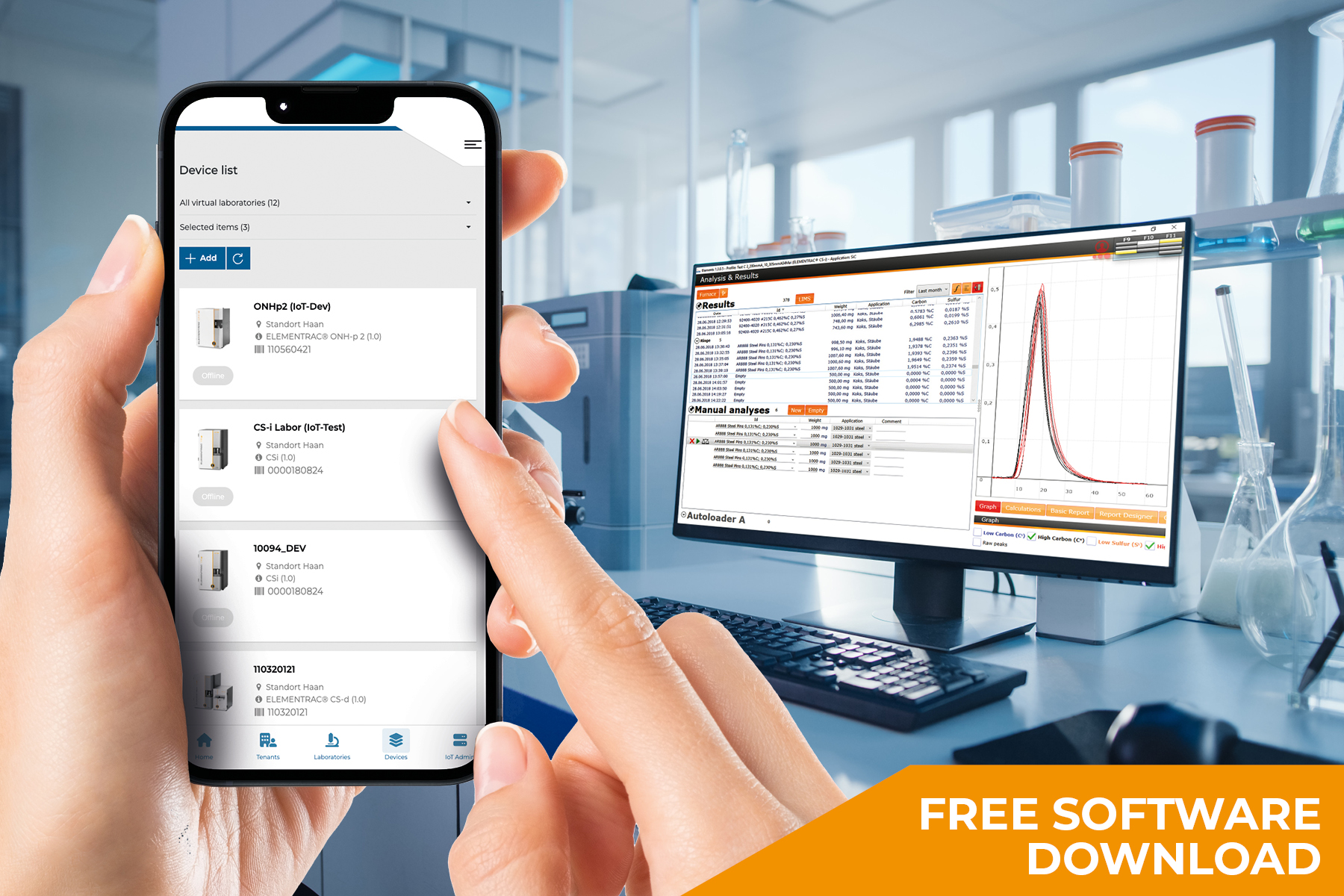
IoT - Internet of things The platform for remote access to your devices

- Real-time Monitoring: Gain insight into the status of your machines at any time thanks to immediate access to important data.
- Live Notifications: Stay up to date on the status of your devices with instant notifications.
- Effortless Backup: Whether you need to back up a single device or an entire fleet, back up your data effortlessly and minimize downtime.
- Automatic Software Updates: Verder Scientific IoT keeps your device software up to date, optimizing performance and reliability.
- Access to Analyses Data: ELTRA analyzers offer remote access to analysis data. This allows you to conveniently access important data while on the move.
- Autoloader Efficiency: Get the most out of remote analysis preparation with our autoloader feature, which ensures uninterrupted operation and increased productivity for all instruments equipped with it.
Experience the power of the Verder Scientific IoT platform today and unlock the full potential of your ELTRA analyzers!
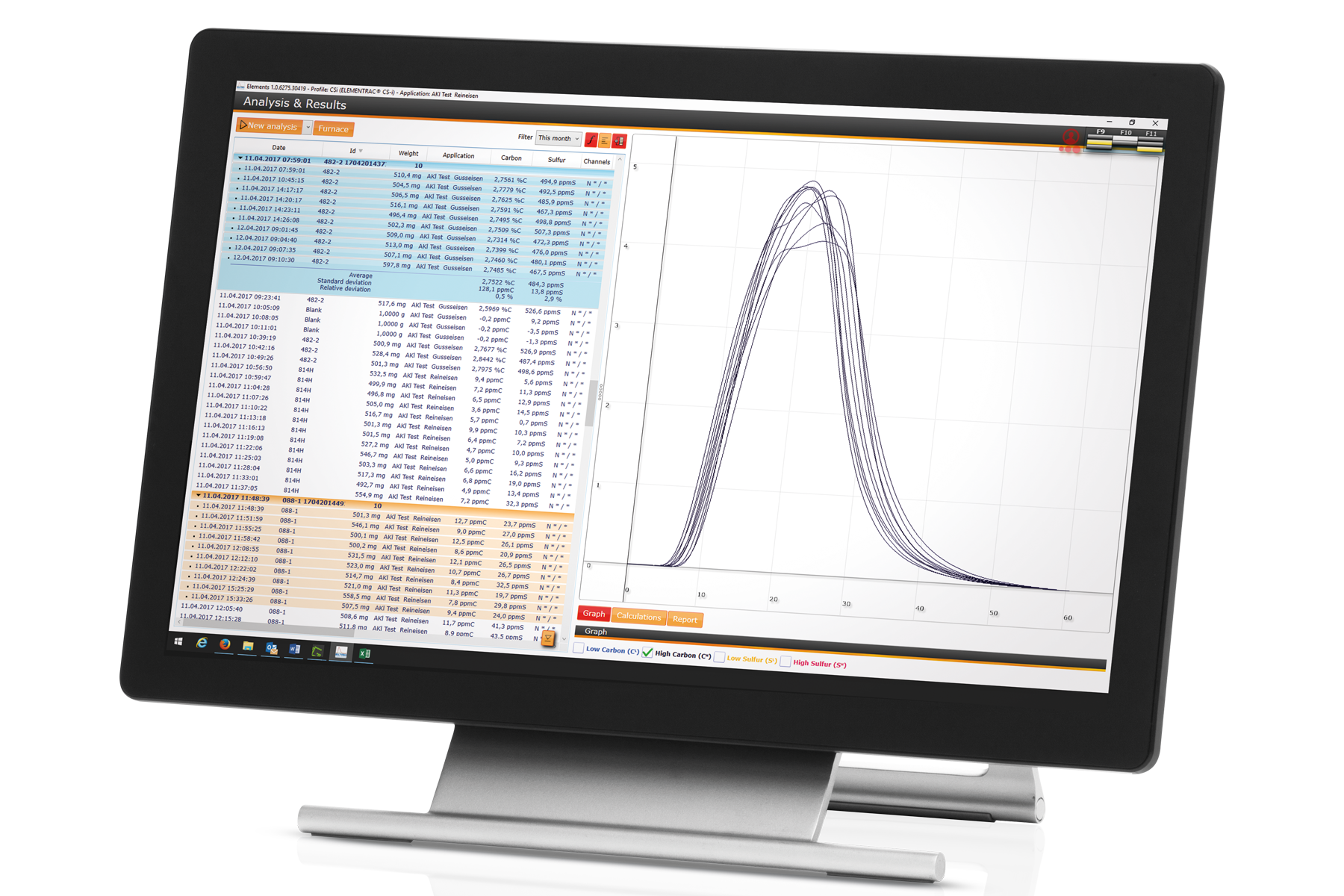
Анализатор углерода / серы ELEMENTRAC CS-i Программное обеспечение ELEMENTS
The comprehensive Windows-based ELEMENTS software is an essential part of all ELEMENTRAC generation elemental analyzers.
A central window (analysis and results) is the starting point from which all functionalities required for the daily routine are easily accessible. From here it is possible to group and export analyzed samples, or register and analyze new ones. The user may call up various subordinate functionalities like application settings, calibration, diagnosis, or status.
Анализатор углерода / серы ELEMENTRAC CS-d Типичные Образцы Материалов
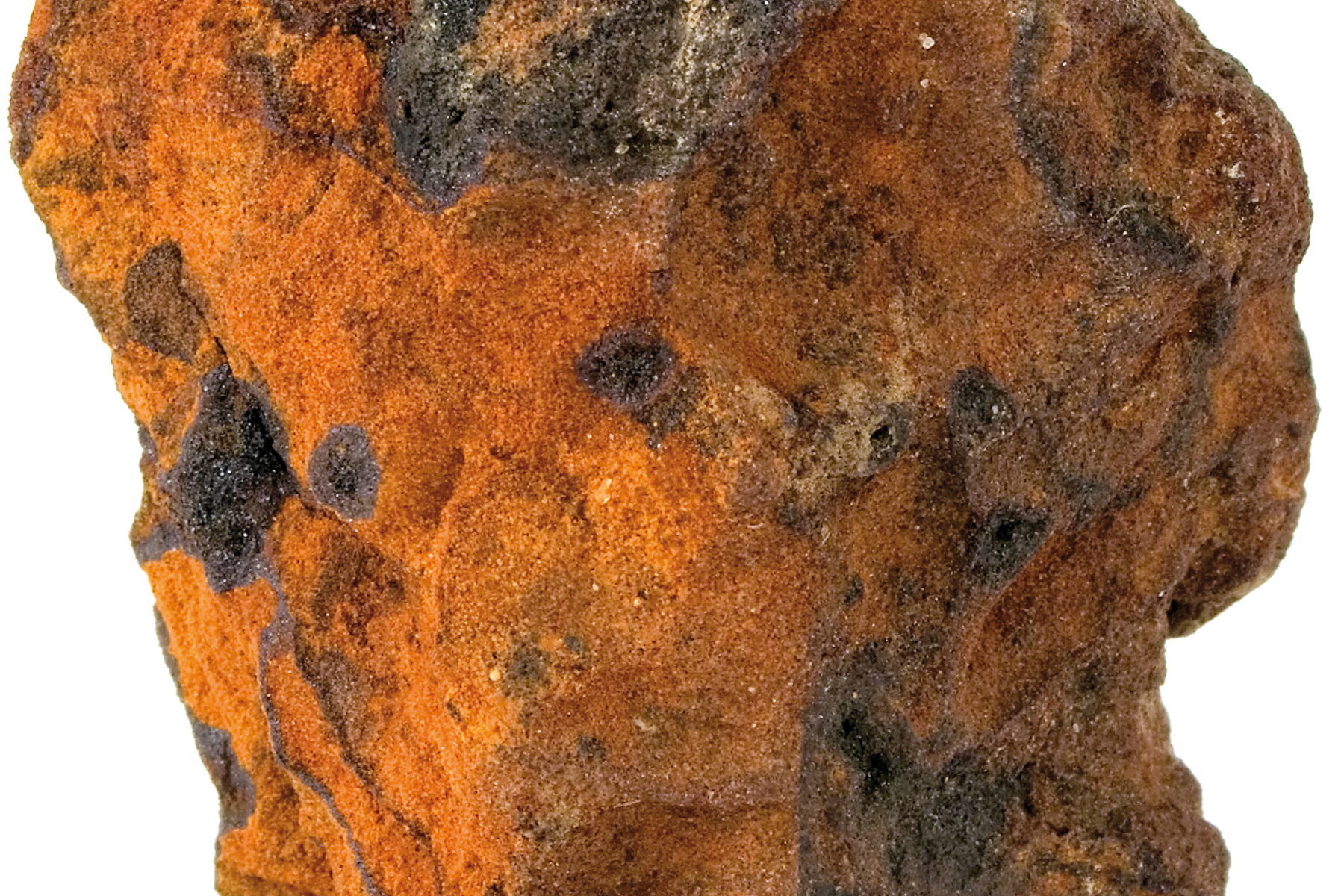
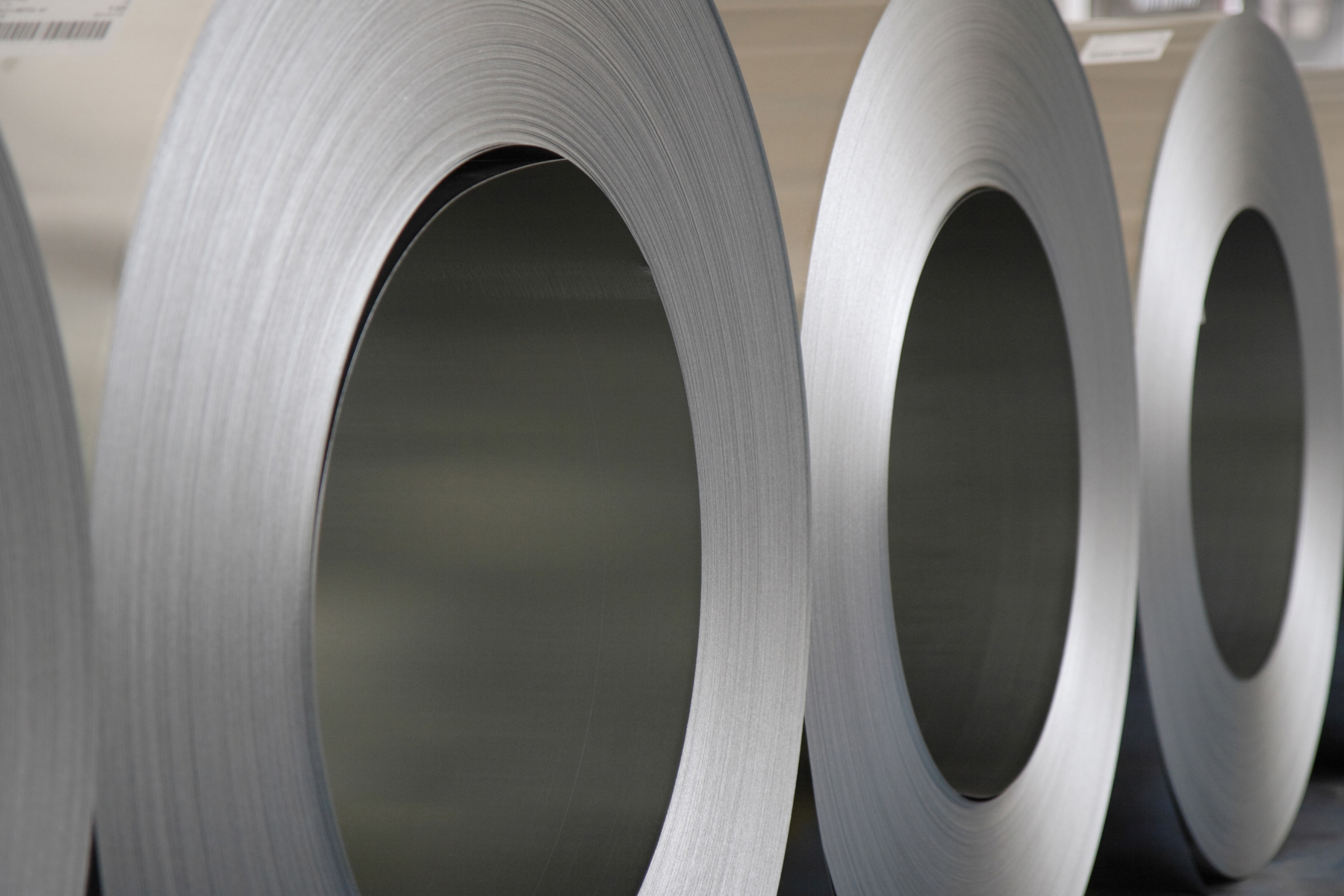
сплавы, зола, карбиды, чугун, цемент, керамика, coal,кокс,медь, стекло, гипс, железо, известняк, металлы, минералы,нефть, руды, растения, огнеупоры, резина, песок, почва, сталь, титан, табак ...
Анализатор углерода / серы ELEMENTRAC CS-d Принцип работы
When the induction furnace of the CS-d is used, the carrier gas (oxygen) and the combustion products (CO2, traces of CO, and SO2) are first led through a metallic filter to remove all solid particles. Afterwards, a tube filled with magnesium perchlorate removes traces of water. The dried combustion gas then passes up to two infrared cells for sulfur (SO2) measurement. Afterwards, a heated catalyst (usually platinized silica) oxidizes the traces of carbon monoxide (CO) to CO2 and the SO2 molecules to SO3. The SO3 gas is absorbed by cellulose and the CO2 is measured in up to two element selective IR cells. Finally, the combustion gas is led to the exhaust and the ELEMENTS software calculates the resulting carbon and sulfur concentrations.
Whereas the induction furnace of the ELEMENTRAC CS-d is suitable for analyzing inorganic samples like steel, cast iron and ceramics, the resistance furnace is used for combustion of organic samples like coal, coke or soil. When a coal sample is combusted at temperatures of approx. 1350° C, CO2 and SO2 are released but usually no carbon monoxide (CO) is formed. The combustion gases of the resistance furnace first pass a ceramic filter for absorption of particles, followed by a glass tube with magnesium perchlorate.
After that the dried combustion gases pass the same path as those from the induction furnace. Usually, the catalyst furnace is switched off during usage of the resistance furnace because oxidation of CO is not required.
However, the risk of incomplete combustion and formation of carbon monoxide increases at lower temperatures (~600 °C); in such cases the catalyst furnace may be switched on.
Анализатор углерода / серы ELEMENTRAC CS-d Характеристики
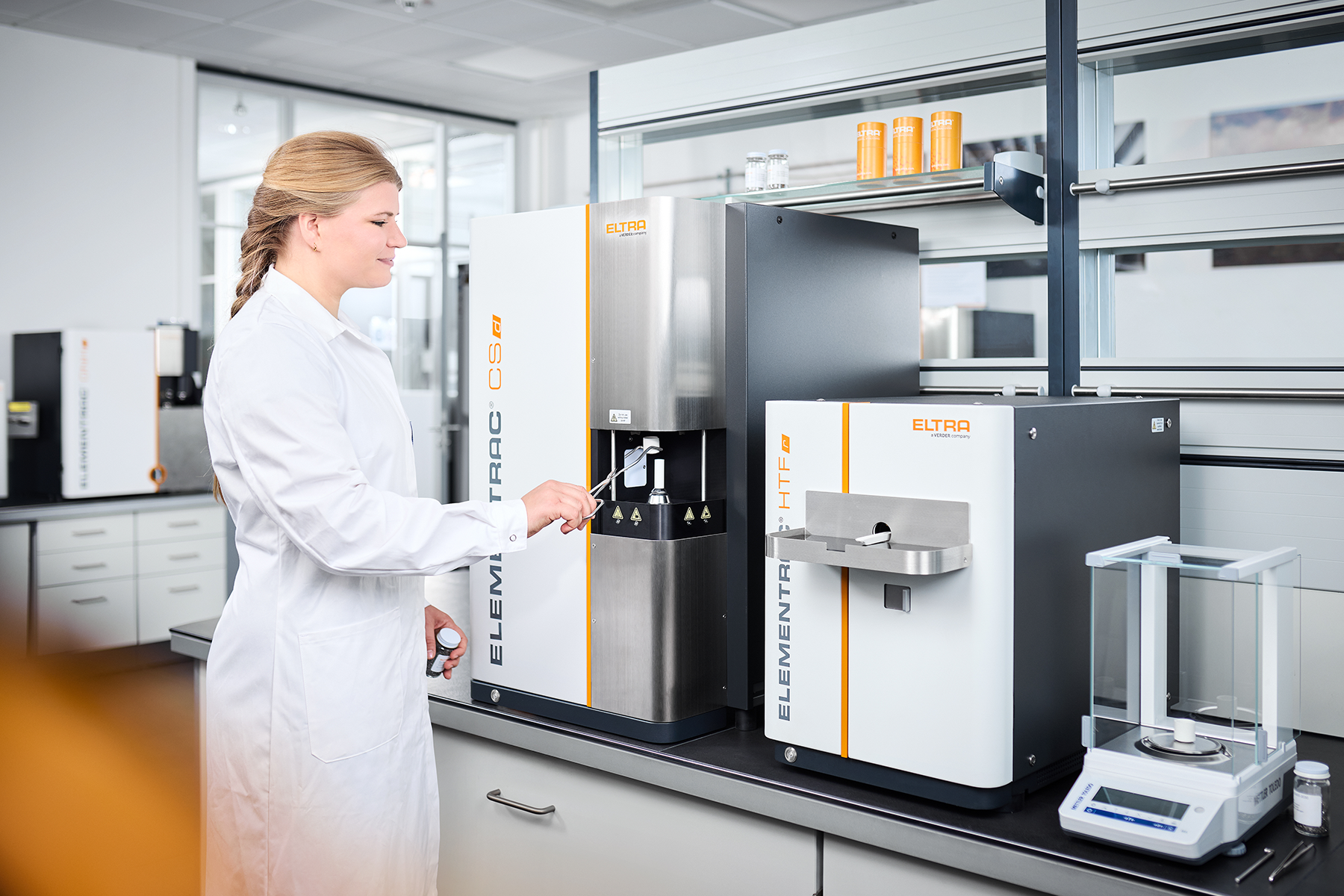
| Measured elements | carbon, sulfur |
|---|---|
| Samples | organic, inorganic |
| Furnace alignment | horizontal (resistance furnace) and vertical (induction furnace) |
| Sample carrier | ceramic boats / crucibles |
| Field of application | agriculture, chemistry / plastics, coal / power plant, construction materials, engineering / electronics, environment / recycling, geology / mining, glass / ceramics, |
| Furnaces | induction furnace, above 2,000 °C//resistance furnace (ceramic tube), adjustable up to 1,550 °C (steps of 1 °C) |
| Detection method | solid state infrared absorption |
| Number of IR cells | 1 - 4 |
| Material of IR path | gold |
| Typical analysis time | induction furnace 40 - 50 s//resistance furnace 60 - 120 s |
| Chemicals required | platinized silica (alternatively copper oxide), magnesium perchlorate, sodium hydroxide |
| Gas required | compressed air (4 - 6 bar / 60 - 90 psi)// oxygen 99.5 % pure (2 - 4 bar / 30 - 60 psi) |
| Power requirements induction furnace | 230 V, 50/60 Hz, 16 A fuse |
| Power requirements resistance furnace | 230 V, 50/60 Hz, 20 A fuse |
| Dimensions (W x H x D) | 89 x 84 x 79 cm |
| Weight | ~ 200 kg |
| Required equipment | PC, monitor, balance (resolution 0.0001g) |
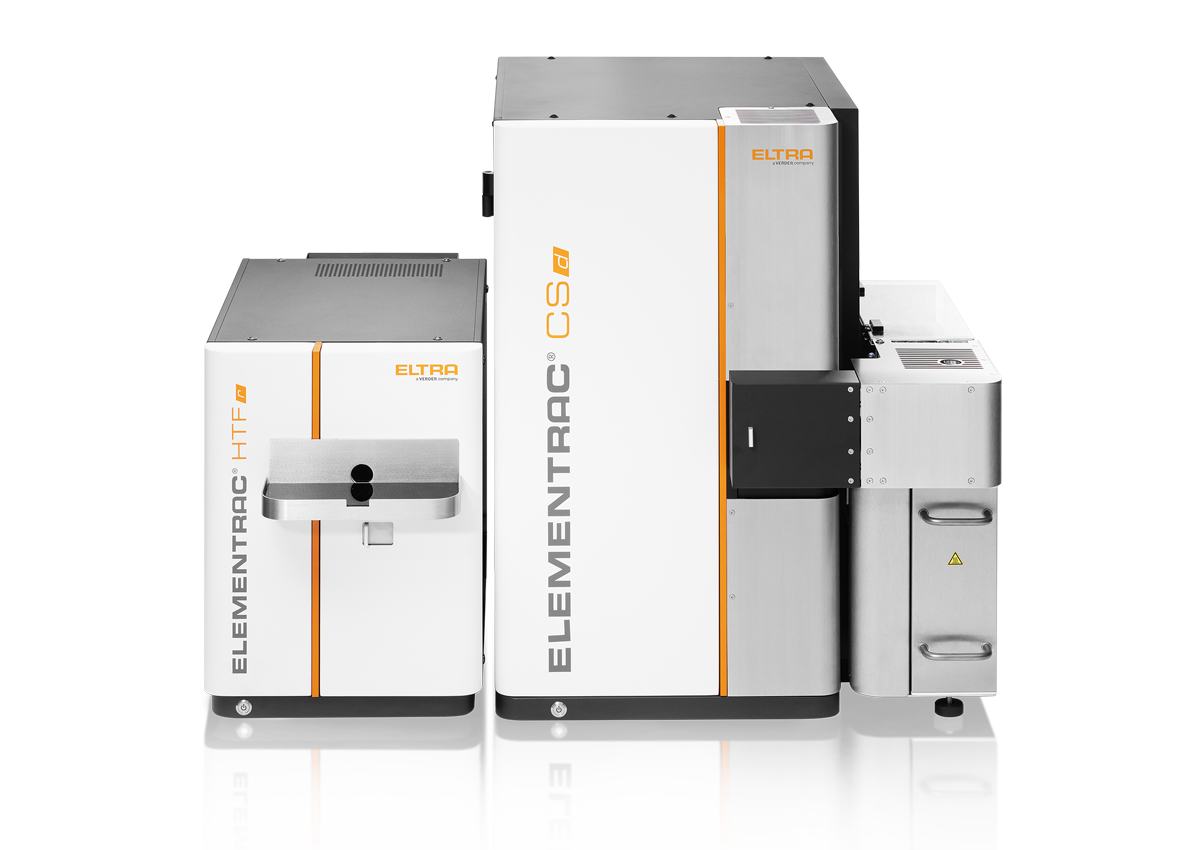
| Optional accessories | Autoloader for 36 crucibles, autoloader for 130 crucibles, HTF-540 pre-heating furnace, carrier gas purification, halogen trap |